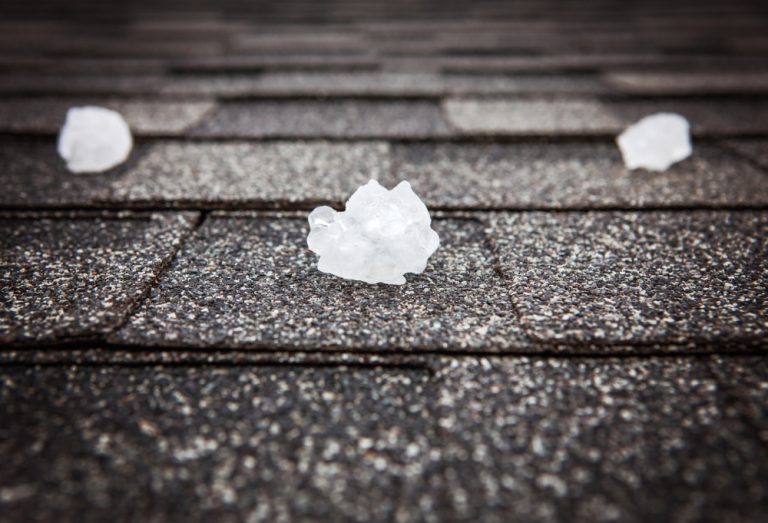
As winter loosens its icy grip on the Chicagoland area, homeowners are left to face the aftermath of months of snow, wind, freezing temperatures, and relentless moisture. Your roof, your home’s first line of defense against the elements, has likely taken a seasonal beating. While winter’s beauty is undeniable, the damage it inflicts on residential roofs is often subtle and slow to reveal itself, only coming to light when the spring thaw begins. The question is: is your roof ready for what comes next?
Understanding Winter’s Toll on Your Roof
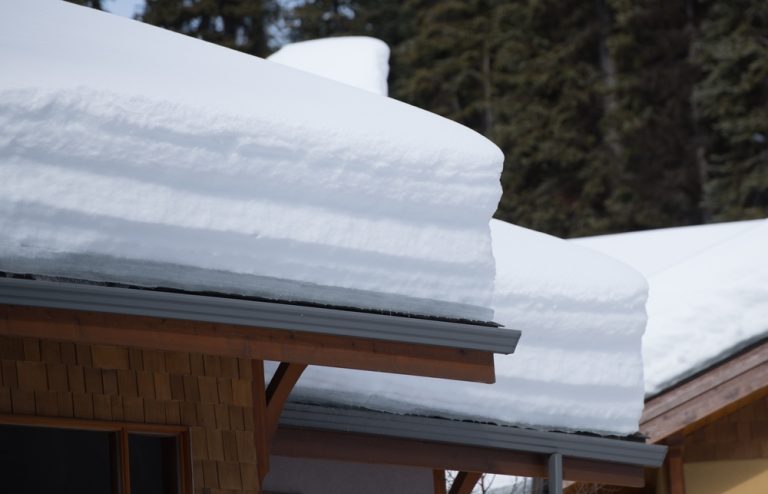
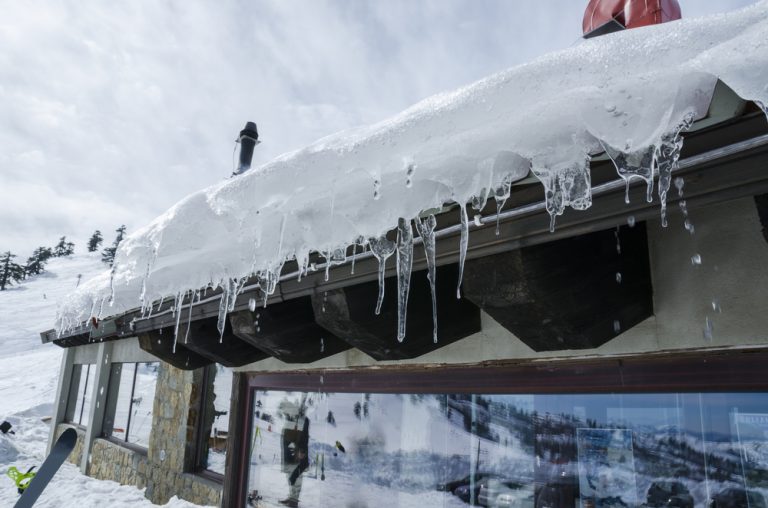
Winter is one of the harshest seasons for any roofing system. In a climate like Chicago’s, roofs must endure frequent freeze-thaw cycles, heavy snow loads, sleet, hail, and ice dam formation. Ice dams, in particular, pose a major threat. They form when heat escapes from the attic and melts the snow on the roof, only for that meltwater to refreeze at the eaves. This refreezing creates a barrier that traps more melting snow, eventually forcing water beneath the shingles and into the home. This is a primary cause of hidden roof leaks and widespread interior damage.
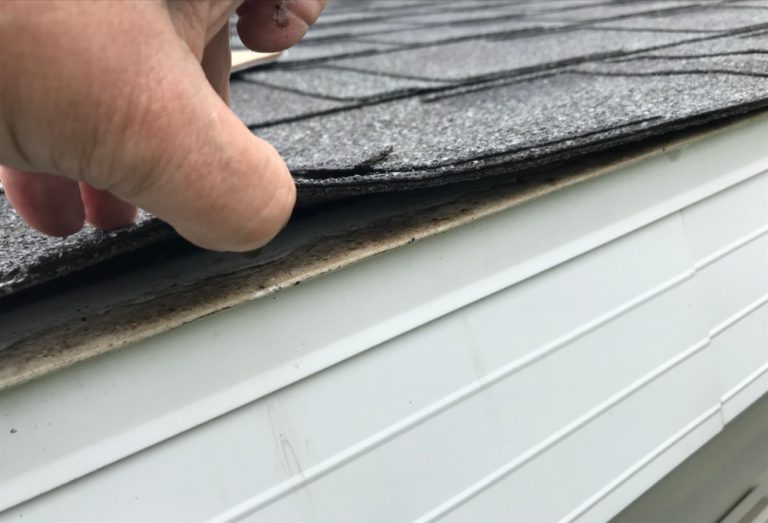
Additionally, the constant shifting between freezing and warmer temperatures puts intense stress on roofing materials. Asphalt shingles, the most common type used in Chicagoland, can crack or curl under such stress. Flashing may loosen, gutters might detach, and roof decking can warp or rot if moisture seeps beneath the surface. For many homeowners, these issues remain invisible until they result in more serious problems like ceiling stains, mold growth, or even structural weakening.
Signs of Winter Roof Damage
As the snow melts and spring approaches, it’s crucial to look for signs that your roof may need attention. One of the earliest indicators is the presence of water stains on ceilings or walls. These often point to leaks that developed during winter and have only recently become visible due to thawing ice and increased runoff. Missing or damaged shingles are another telltale sign, especially if pieces have landed in your yard or clogged your gutters.
Clogged gutters themselves can contribute to roof damage. When they’re filled with debris and frozen water, they can’t channel runoff properly, leading to water pooling along the roof’s edge. This not only increases the risk of leaks but also promotes further ice dam damage if the temperature drops again.
Other signs include sagging rooflines, visible mold or mildew on roof surfaces, and granule loss from asphalt shingles. If you find an unusual amount of granules in your gutters or near downspouts, your shingles may be nearing the end of their effective lifespan. Ignoring these signs could lead to the need for major roofing repair work during the busiest season, when demand (and prices) are highest.
Why Spring is the Ideal Time for a Roof Inspection
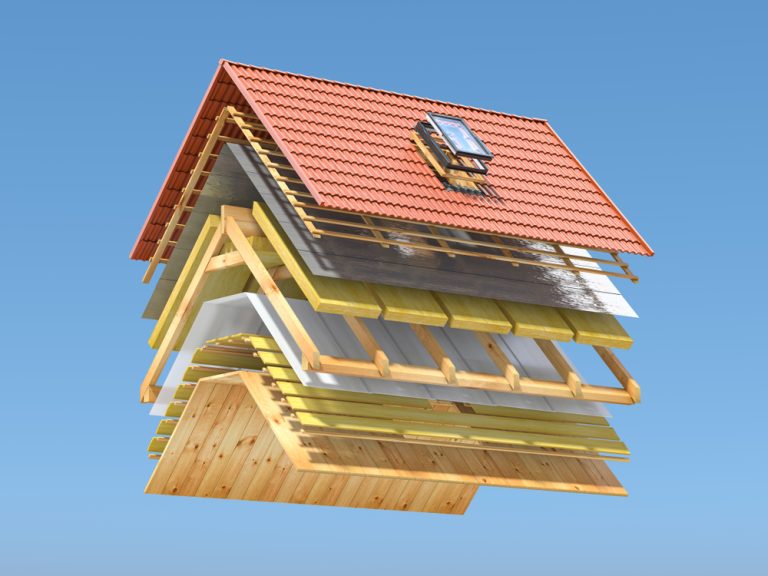
Spring is more than just a season of renewal. It is also the perfect time to schedule a comprehensive spring roof inspection. The weather is mild, making it safe and efficient for roofing professionals to perform a full evaluation. Snow and ice are gone, providing clear visibility of all surfaces and components, from shingles to flashing to the ventilation system.
A spring inspection allows for early detection of issues that might have gone unnoticed during winter. Even small problems like minor leaks or lifted shingles can quickly escalate if not repaired promptly. Early spring also brings rain, and if your roof is compromised, water infiltration can begin almost immediately.
Chicagoland roofing contractors typically recommend homeowners perform or schedule biannual roof inspections: one in the spring and one in the fall. Spring inspections are especially critical due to the unique pressures winter places on roofing systems. They help identify the need for preventative maintenance, ensuring your roof is prepared for the heavy rains and potential storms of spring and summer.
The Importance of Timely Roofing Repair
Timing is everything when it comes to roofing repair. Once damage is identified, addressing it quickly can save homeowners from far more extensive (and expensive) repairs down the line. In many cases, early spring is your best opportunity to catch problems before they become emergencies.
For instance, if a leak is caught early, roof leak repair might involve little more than replacing a few shingles or sealing a small breach. But if ignored, that same leak can saturate insulation, damage drywall, promote mold growth, and compromise the structural integrity of your home. In a region like Chicago, where spring storms are not uncommon, a vulnerable roof can be a disaster waiting to happen.
Another common necessity in the spring is shingle replacement. Wind, snow, and ice can all dislodge or damage shingles, reducing your roof’s ability to repel water. Replacing missing or cracked shingles promptly not only extends the life of your roof but also helps maintain your home’s energy efficiency by improving insulation and ventilation.
Preparing for the Seasons Ahead
Taking action in early spring gives you a head start on protecting your home through the rest of the year. A proactive approach begins with a thorough inspection and ends with a well-maintained roof that can withstand everything from spring rains to summer heat and beyond.
Choosing a trusted roofing professional in Chicagoland is a smart move. These experts can evaluate your roof for signs of winter wear, assess potential ice dam damage, and recommend solutions tailored to your home’s age, architecture, and roofing materials. Whether the solution involves minor patching, roof leak repair, or full shingle replacement, tackling the issue now prevents further deterioration.
Investing in your roof now also helps prevent unplanned expenses. A full roof replacement is a major project, but many roofs can be preserved for years with consistent maintenance and timely repairs. By addressing issues in the spring, you allow yourself more time to plan, budget, and choose the right contractor, rather than rushing into emergency repairs later in the year.
Conclusion
As the snow melts across Chicagoland and signs of spring begin to emerge, your roof deserves a close and careful inspection. Months of snow, ice, and freezing temperatures can leave behind hidden damage that only reveals itself as temperatures rise. From ice dam damage to missing shingles and subtle leaks, winter can be brutal on your roofing system.
Scheduling a spring roof inspection is one of the most important steps you can take as a homeowner. It allows you to identify damage early, take care of necessary roofing repair, and prepare your home for the rainy season ahead. Whether it’s as simple as shingle replacement or as urgent as roof leak repair, timely action ensures your home remains protected, efficient, and valuable.
Don’t let winter’s impact linger. Your roof stood strong through the coldest months. Now it’s time to give it the care it needs to continue protecting your home through spring and beyond.
Need Quality Roofing for Your Home?
At Williams Roofing & Insulation, we treat every project like it’s for our own family—because we are family-owned and deeply rooted in our local community. Whether you need shingles, a full roof replacement, or professional gutter services, our licensed and BBB-accredited team is here to deliver quality, safety, and value every step of the way. Don’t wait—reach out today for a complimentary quote, and don’t forget to ask about our special discounts for seniors and military members. Let’s protect your home, together.