Storm damage is an unfortunate reality for many homeowners across the Chicago area. From spring hailstorms to powerful wind events and heavy winter snow, roofing systems in Cook County face year-round challenges that can lead to costly repairs. Knowing how roofing contractors work alongside homeowners during the insurance claims process can make a stressful situation much easier to manage.
Quick Answer
Roofing contractors help homeowners with insurance claims by inspecting storm damage, documenting findings, identifying covered issues, meeting with insurance adjusters when appropriate, and completing approved repairs or roof replacements. While contractors cannot make coverage decisions for your insurance company, they can provide detailed documentation that supports an accurate assessment of your roof’s condition.
What Local Readers Should Know
- Illinois homeowners should report suspected storm damage promptly to avoid delays in the insurance claims process.
- Wind, hail, and fallen tree damage are among the most common reasons for roof insurance claims throughout the Chicago region.
- A professional roof inspection can uncover damage that may not be visible from the ground.
- Older homes throughout neighborhoods such as Lincoln Park, Beverly, and Portage Park may have roofing materials that require extra attention after severe weather.
- Understanding the difference between storm damage and normal wear can help homeowners set realistic expectations before filing a claim.
Why This Matters Locally
Roofing insurance claims are especially common because of the weather conditions experienced throughout Chicago and surrounding communities. Strong thunderstorms, hail, heavy snowfall, ice buildup, and high winds can all affect roofing systems over time. Homes near Lake Michigan may also experience additional wind exposure that contributes to roofing damage.
Properties across Cook County range from historic brick homes to newer suburban developments, each with unique roofing materials and construction methods. Because every roof responds differently to severe weather, local experience plays an important role during inspections.
Williams Roofing & Insulation works with homeowners throughout the area to inspect storm-related roofing damage, explain the claims process, and complete quality repairs once insurance approvals are in place. After this introduction, we will refer to ourselves as we, our, and us.
Local Data and Field Observations
Insurance industry organizations consistently report that wind and hail remain two of the leading causes of homeowner property claims across the Midwest. Illinois regularly experiences severe thunderstorms capable of producing damaging winds and hail during spring and summer months, while winter storms can create ice dams and snow loads that place additional stress on roofing systems.
From our field observations, many homeowners discover roofing damage weeks or even months after a storm because leaks do not always appear immediately. Small areas of missing shingles or hail impacts can gradually allow moisture to enter the roofing system.
Local Impact
Roof damage affects more than just shingles. Moisture entering through compromised roofing materials can impact attic insulation, drywall, ceilings, and even electrical systems if left unaddressed.
For homeowners throughout Chicago, delaying inspections after major storms may allow relatively minor damage to become a much larger repair. Fast documentation also helps preserve evidence that may support an insurance claim.
Warning Signs Your Roof May Qualify for an Insurance Claim
Roof damage that may qualify for an insurance claim often has visible signs following severe weather. Common indicators include:
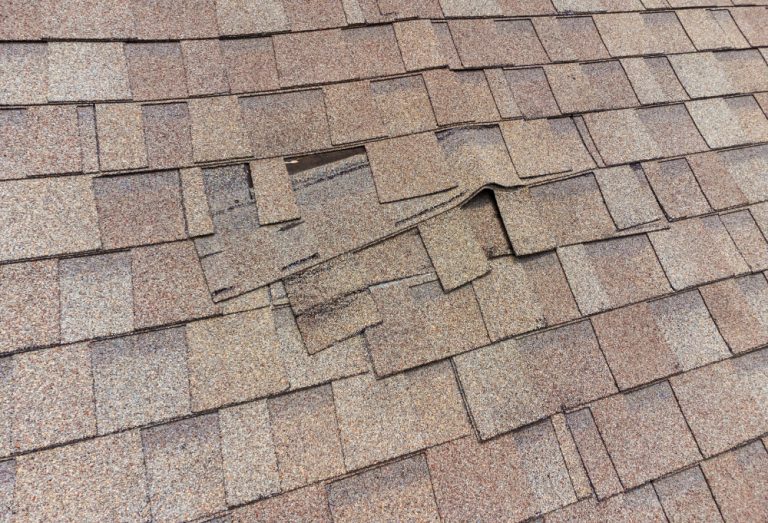
- Missing or lifted shingles after strong winds.
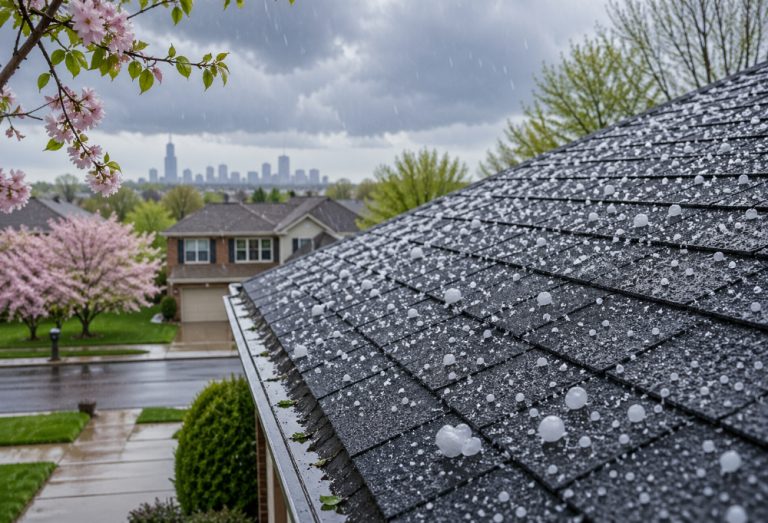
- Hail dents on shingles, gutters, or metal roof components.
- Water stains appearing on ceilings or attic spaces.
- Granules collecting in gutters after a hailstorm.
- Bent or damaged flashing around chimneys and roof penetrations.
- Fallen tree limbs impacting the roof.
- Damaged fascia or soffit following severe storms.
These warning signs do not automatically guarantee insurance coverage, but they do justify scheduling a professional inspection.
When to Call a Professional
Professional roofing inspections are recommended whenever severe weather has affected your neighborhood or you notice signs of roof damage.
Homeowners can safely perform a visual inspection from the ground using binoculars. However, climbing onto a roof can be dangerous, particularly after storms when surfaces may be slippery or structurally compromised.
We can safely inspect the roofing system, photograph damage, identify areas of concern, and provide documentation that helps homeowners understand their options before contacting their insurance carrier.
Common Local Causes of Insurance Roof Claims
Roof insurance claims throughout northeastern Illinois are commonly caused by several weather-related events.
1. Hailstorms
Large hail can bruise asphalt shingles, crack roofing materials, and shorten the roof’s service life.
2. High Winds
Wind events can lift or remove shingles, exposing the roof deck to moisture intrusion.
3. Fallen Trees and Branches
Mature trees found throughout many Chicago neighborhoods can cause sudden roof damage during storms.
4. Ice Dams
Winter freeze and thaw cycles may create ice dams that trap water beneath shingles.
5. Heavy Snow Loads
Accumulated snow adds weight to roofing systems and may expose existing structural weaknesses.
Prevention and Maintenance
Regular roof maintenance helps reduce the likelihood of costly repairs while making storm damage easier to identify.
Homeowners should:
- Schedule annual roof inspections.
- Keep gutters free of debris.
- Trim tree branches that overhang the roof.
- Inspect the attic for signs of moisture after severe storms.
- Photograph visible storm damage before temporary cleanup when it is safe to do so.
DIY maintenance should stop at safe visual inspections. Repairs should be left to qualified roofing professionals.
What Homeowners Should Expect During the Insurance Claims Process
The insurance claims process typically follows several steps.
- Schedule a professional roof inspection.
- Review documented findings.
- Contact your insurance company if storm damage appears present.
- Meet with the insurance adjuster if requested.
- Review the insurance determination.
- Complete approved repairs or replacement.
- Final documentation is submitted after work is completed when required.
Every insurance policy is different, so claim approvals and coverage decisions are made solely by the insurance company.
Common Mistakes Homeowners Make
Mistake: Waiting months before scheduling an inspection.
Consequence: Storm damage may worsen and become more difficult to document.
Better Approach: Schedule an inspection soon after significant weather events.
Mistake: Assuming small leaks are not serious.
Consequence: Moisture can spread into insulation and interior finishes.
Better Approach: Investigate water intrusion promptly.
Mistake: Hiring a contractor before understanding the insurance process.
Consequence: Miscommunication can delay repairs.
Better Approach: Work with a contractor who explains each step clearly and documents findings thoroughly.
Common Local Scenario
A homeowner in the northwest side of Chicago notices several shingles in the yard after a strong windstorm. Although no interior leak is immediately visible, a professional inspection identifies lifted shingles and flashing damage that could eventually allow water intrusion. After documenting the damage, the homeowner contacts their insurance carrier, an adjuster evaluates the property, and approved repairs help restore the roof before additional weather causes more extensive issues.
Related Service Solutions
Depending on inspection findings, several roofing services may help resolve storm damage.
- Roof inspections
- Storm damage assessments
- Roof repairs
- Full roof replacement when appropriate
- Attic insulation improvements following water damage
- Emergency temporary protection after severe storms
Learn more about your roofing options
Comparing Your Options
| Option | Best For | Considerations |
|---|---|---|
| DIY visual inspection | Initial observations | Safe only from the ground. |
| Professional inspection | Accurate damage documentation | Provides detailed findings for homeowners. |
| Roof repair | Localized storm damage | Appropriate when the roof remains structurally sound. |
| Roof replacement | Extensive covered damage | May be recommended when repairs are no longer practical. |
Service Areas
We proudly assist homeowners throughout Chicago, Cook County, Oak Park, Evanston, Skokie, Park Ridge, and nearby communities. Our local experience helps us understand the weather patterns and roofing challenges common throughout northeastern Illinois.
Cost of Ignoring Roof Damage
Waiting too long to address storm damage can allow water intrusion to spread beyond the roofing system. What begins as a few damaged shingles may eventually affect insulation, drywall, framing, or interior finishes. Prompt inspections help homeowners understand the condition of their roof before problems become more extensive.
Schedule an inspection after major storms
Frequently Asked Questions
Does homeowners insurance cover hail damage in Chicago?
Yes, many homeowners insurance policies cover hail damage when it results from a covered weather event. Coverage depends on the specific policy, deductible, and the insurance company’s assessment.
Should I get a roof inspection before filing an insurance claim in Cook County?
Yes. A professional inspection helps document potential storm damage and provides useful information before you contact your insurance company.
Can a roofing contractor approve my insurance claim?
No. Insurance companies make all coverage decisions. Roofing contractors provide inspections, documentation, and repair recommendations but cannot determine claim approval.
How soon should I inspect my roof after a storm in Chicago?
As soon as it is safe to do so. Prompt inspections help identify damage before additional weather causes further deterioration.
What if I do not see a roof leak?
A leak is not always the first sign of storm damage. Missing shingles, hail impacts, or damaged flashing may exist long before water reaches the interior.
Do older homes in Chicago require different roofing inspections?
Yes. Older roofing systems and historic homes may contain aging materials that require careful evaluation following severe weather.
Protect Your Roof Before Small Problems Become Major Repairs
Storm damage is not always obvious, but early inspections can help homeowners understand their roof’s condition and make informed decisions about repairs and insurance claims. Our goal is to provide honest evaluations, clear documentation, and quality workmanship throughout every stage of the process.
Schedule Your Roof Inspection Today
Protect your home with experienced local roofing guidance you can trust.