Roof replacement projects in the Chicago area often reveal hidden issues that cannot be seen until the old roofing materials are removed. While no homeowner wants an unexpected increase in project costs, understanding why it can happen helps you plan ahead and avoid surprises.
Quick Answer
Roofing costs can change after a tear-off because removing the old roof exposes the decking, structural components, flashing, and ventilation systems underneath. If damage, code-related upgrades, or hidden deterioration are discovered, those issues typically need to be addressed before a new roof can be installed properly.
What Local Readers Should Know
- A roof inspection cannot always reveal hidden damage beneath shingles or underlayment.
- Older homes throughout Chicago and neighborhoods such as Beverly, Edison Park, Lincoln Square, and Portage Park often have multiple roofing layers or aging wood decking that may require replacement.
- Cook County weather, including heavy snow, freeze-thaw cycles, and severe summer storms, can accelerate hidden roof deterioration.
- Building code requirements may require certain upgrades during replacement, even if they were not part of the original estimate.
- Planning a contingency budget for unforeseen repairs can help prevent delays once work begins.
Why This Matters Locally
Roofing systems throughout Chicago experience some of the Midwest’s toughest weather conditions. Winter snow loads, ice dams, high winds coming off Lake Michigan, and repeated freeze-thaw cycles can slowly damage roof decking and flashing without producing obvious leaks inside the home.
Many homes throughout Chicago’s older neighborhoods were built decades ago. As roofing materials are removed, contractors may discover aging plywood, damaged boards, deteriorated flashing, or ventilation systems that no longer meet current best practices.
At Williams Roofing & Insulation, we believe homeowners deserve clear communication about these possibilities before work begins so there are fewer surprises during the project.
Why Costs Can Increase After a Tear-Off
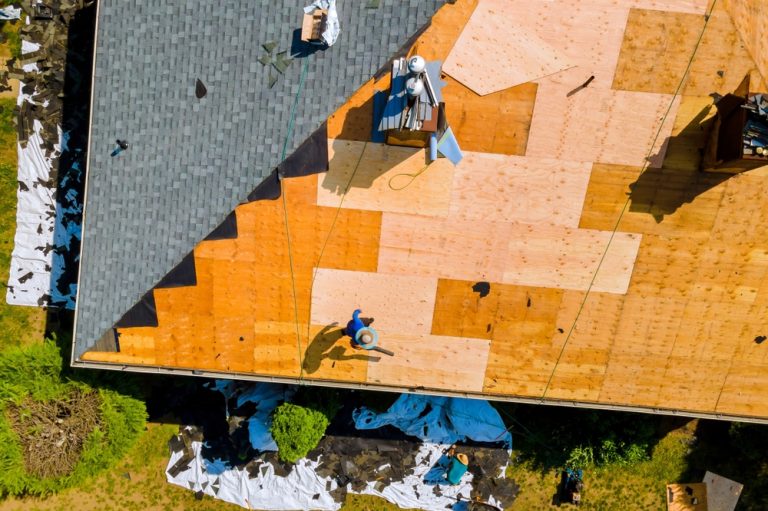
Roofing costs can increase after a tear-off because the existing roof structure becomes fully visible for the first time.
Common discoveries include:
Damaged Roof Decking
Wood decking serves as the foundation for every roofing system. If moisture has weakened sections of plywood or plank decking, those materials usually need replacement before new shingles can be installed.
Minor staining does not always require replacement, but soft, rotted, or structurally compromised wood typically does.
Hidden Water Damage
Some leaks travel beneath roofing materials before becoming visible indoors.
Once shingles and underlayment are removed, contractors may find:
- Water-soaked sheathing
- Mold or mildew
- Rot around roof penetrations
- Damaged fascia
- Moisture around valleys
These repairs help ensure the new roofing system performs as intended.
Multiple Roofing Layers
Some older homes have two or more layers of shingles.
While multiple layers may remain hidden during an inspection, discovering them during tear-off increases labor, disposal costs, and sometimes structural repairs beneath the additional weight.
Flashing Replacement
Flashing around chimneys, skylights, valleys, and walls often deteriorates faster than homeowners realize.
Although it may appear acceptable from the ground, removal of old roofing materials frequently reveals corrosion, gaps, or improper installation that should be corrected during replacement.
Ventilation Improvements
Proper attic ventilation helps extend roof life and reduce moisture buildup.
During tear-off, roofing professionals may identify inadequate intake or exhaust ventilation that should be upgraded for better long-term performance.
Local Field Observations
Professional roofing crews working throughout Chicago frequently encounter hidden moisture damage after severe winters and years of freeze-thaw cycling. Roofs on older homes may also reveal original wood decking or outdated ventilation systems once shingles are removed.
The National Weather Service notes that northern Illinois regularly experiences severe thunderstorms, hail, high winds, and significant winter weather, all of which contribute to long-term roof wear. These conditions help explain why hidden damage is not uncommon beneath aging roofing systems.
Local Impact
Hidden roof damage affects more than replacement costs.
If damaged materials remain beneath a new roof, homeowners may experience:
- Reduced roof lifespan
- Moisture intrusion
- Interior water damage
- Poor attic ventilation
- Higher heating and cooling costs
- Future repair expenses
Addressing issues during installation is generally more practical than reopening a completed roofing system later.
Warning Signs Hidden Damage May Exist
Hidden roofing problems often become visible only after tear-off, but these warning signs may indicate underlying issues:
- Interior ceiling stains
- Missing or curling shingles
- Soft spots when walking on the roof
- Sagging roof sections
- Frequent leaks during heavy rain
- Ice dams during winter
- Visible mold inside the attic
If several of these symptoms are present, additional repairs may be more likely once roofing materials are removed.
When to Call a Professional
Homeowners can safely monitor shingles, gutters, attic moisture, and visible roof conditions from the ground.
Professional evaluation becomes important if you notice recurring leaks, sagging areas, storm damage, missing shingles, or water entering the attic. These issues may indicate structural concerns that cannot be fully diagnosed without a thorough inspection and, in some cases, a tear-off.
Common Local Causes
Several local conditions contribute to hidden roofing damage throughout the Chicago region.
1. Freeze-Thaw Cycles
Repeated freezing and melting allow moisture to expand inside roofing materials and decking.
2. Heavy Snow and Ice
Winter snow loads and ice dams increase moisture exposure beneath shingles.
3. Wind Damage
Strong storms can loosen shingles and flashing, allowing water intrusion over time.
4. Aging Homes
Many homes across Cook County have roofing systems installed over older decking materials that may have reached the end of their service life.
5. Previous Repairs
Older patchwork repairs sometimes conceal underlying damage that only becomes visible after removal.
Prevention and Maintenance
While hidden damage cannot always be prevented, homeowners can reduce surprises by:
- Scheduling regular roof inspections.
- Addressing leaks promptly.
- Cleaning gutters before winter.
- Trimming overhanging tree branches.
- Replacing damaged shingles early.
- Having attic ventilation evaluated periodically.
Routine maintenance often catches smaller problems before they become major structural repairs.
Expected Results
A professional tear-off provides a complete view of the roof’s condition. Although additional repairs may occasionally be necessary, correcting hidden issues during replacement creates a stronger foundation for the new roofing system and helps support long-term performance.
Common Mistakes
Mistake: Choosing the lowest estimate without understanding what happens if hidden damage is found.
Consequence: Unexpected change orders and confusion during the project.
Better Approach: Ask how unforeseen repairs are documented, approved, and priced before work begins.
Mistake: Declining necessary decking repairs.
Consequence: New roofing materials may not perform as intended.
Better Approach: Replace structurally compromised materials before installation continues.
Common Local Scenario
A homeowner schedules a roof replacement after noticing occasional leaks following several harsh winters. During tear-off, the roofing crew discovers moisture-damaged decking around a chimney that was not visible during the initial inspection. Replacing the affected wood before installing new shingles helps prevent future leaks and provides a solid foundation for the new roof.
Related Service Solutions
Depending on what is discovered during tear-off, roofing professionals may recommend:
- Roof replacement
- Roof decking replacement
- Flashing repairs
- Ventilation improvements
- Attic insulation upgrades
- Storm damage repairs
Each service addresses a different part of the roofing system to improve overall performance.
Contact us to schedule a roof inspection
Comparing Your Options
| Option | Advantages | Considerations |
|---|---|---|
| Spot Repairs | Lower upfront cost | May not solve hidden structural issues |
| Roof Overlay | Lower initial investment | Does not expose hidden damage |
| Complete Tear-Off | Reveals underlying conditions and creates a fresh installation | May uncover necessary repairs |
Service Areas
We proudly serve homeowners throughout Chicago as well as surrounding communities including Oak Park, Evanston, Skokie, Cicero, and other nearby areas across Cook County.
Cost of Ignoring the Issue
Ignoring hidden roof damage can allow moisture problems to worsen over time. What begins as a small section of damaged decking may eventually affect insulation, ceilings, framing, or interior finishes, leading to more extensive repairs.
Frequently Asked Questions
Why can’t a roofing contractor identify every issue before a tear-off?
Some roofing components are completely hidden beneath shingles and underlayment. A visual inspection identifies many concerns, but certain structural problems only become visible once the old roof is removed.
Is damaged roof decking common in Chicago?
Yes. Older homes throughout Chicago may experience decking deterioration from years of moisture exposure, freeze-thaw cycles, and previous roof leaks.
Will my estimate always change after a tear-off?
No. Many roof replacements proceed exactly as estimated. Cost changes generally occur only if hidden conditions requiring repair are discovered during removal.
Why do roofing companies recommend replacing flashing?
Replacing flashing while the roof is already open helps reduce future leak risks and ensures compatibility with the new roofing system.
Can severe Chicago storms cause hidden roof damage?
Yes. Wind, hail, heavy rain, and winter weather can damage roofing components beneath the shingles, even when the surface appears relatively intact.
Should I budget for unexpected roofing repairs?
Yes. Setting aside a reasonable contingency can help reduce financial stress if hidden structural repairs become necessary during replacement.
Closing
Roof tear-offs provide the clearest picture of your roof’s true condition. While unexpected repairs are never ideal, addressing hidden issues during replacement helps create a stronger, longer-lasting roofing system for your home.
Protect Your Chicago Home With Confidence
Every roofing project is unique, and we’re committed to explaining any hidden conditions we discover before additional work begins. Contact us today to schedule your roof inspection and discuss your replacement options.