A Chicagoland winter can expose roofing problems that were easy to overlook during warmer months. Snow, ice, freezing temperatures, wind, and repeated freeze-thaw cycles can turn a small maintenance issue into a leak or damaged roofing component when repairs are harder to complete.
Quick answer: Preparing your roof for an Illinois winter means inspecting shingles and flashing, clearing gutters, checking attic ventilation and insulation, trimming vulnerable branches, and addressing existing leaks before prolonged freezing weather arrives. Chicago-area homeowners should pay particular attention to drainage and attic conditions because snow accumulation, ice formation, and temperature swings can put additional stress on the roof system.
What local homeowners should know
- Roof preparation is best completed during fall, before snow and prolonged freezing temperatures make inspections and repairs more difficult.
- Chicagoland’s freeze-thaw cycles can expose weaknesses around flashing, shingles, gutters, roof penetrations, and other vulnerable areas.
- Homes in older Chicago neighborhoods may have roofing, ventilation, or insulation conditions that deserve extra attention before winter.
- Clean gutters and downspouts help melting snow leave the roof instead of backing up near roof edges.
- Attic insulation and ventilation should be considered alongside exterior roofing because indoor heat escaping through the roof can contribute to uneven snowmelt.
Why Roof Preparation Matters Before a Chicagoland Winter
Preparing your roof before winter matters because snow, ice, wind, and temperature swings can magnify existing weaknesses in a roofing system. Across Chicago and the surrounding suburbs, fall maintenance gives homeowners an opportunity to identify damaged materials, drainage problems, and attic issues before winter conditions limit access to the roof.
Properties near Lake Michigan can experience harsh winter weather, while homes throughout Cook County face repeated freezing and thawing during a typical cold season. Older housing stock in areas such as Beverly, Jefferson Park, Portage Park, and surrounding communities can also mean roofs have undergone years of repairs, alterations, or weather exposure.
Williams Roofing & Insulation helps local homeowners evaluate roofing and insulation concerns before those conditions become harder to address. We look at the roof as part of a larger system that includes drainage, ventilation, insulation, and the attic space below.
Local Field Observations for Winter Roof Preparation
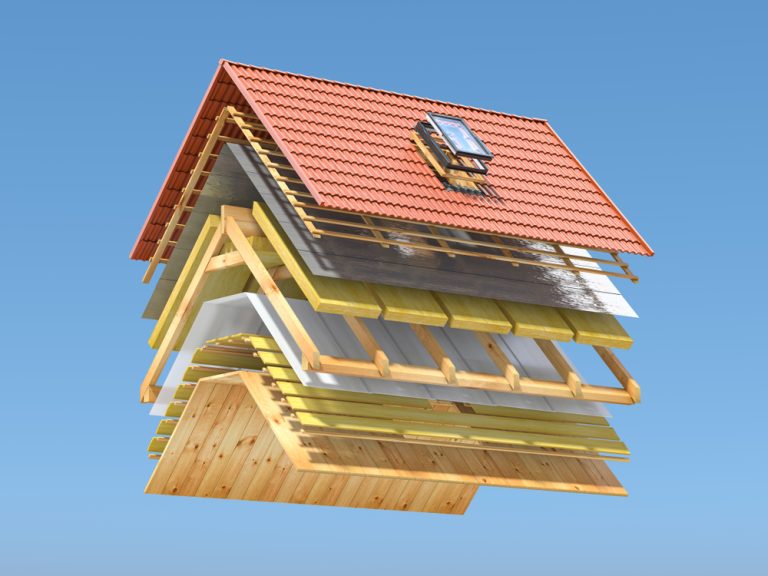
For Chicagoland homes, the most useful fall roof checks focus on water management, vulnerable roof components, and heat movement through the attic. Rather than relying on a single visible condition, homeowners should consider how shingles, flashing, gutters, insulation, and ventilation will work together once snow and freezing temperatures arrive.
Freeze-thaw weather is especially relevant in northeastern Illinois. Snow can melt during warmer periods and refreeze when temperatures drop again. If water reaches a vulnerable seam or damaged roofing component before freezing, existing defects may become more noticeable.
Fall is therefore a practical time to look for conditions that could interfere with drainage or weather protection.
How Winter Roof Problems Can Affect Your Home
Winter roof problems can affect your home through leaks, damaged finishes, wet insulation, poor comfort, and deterioration of roofing components. A minor weakness that stays dry during mild weather may behave differently once wind-driven snow, melting snow, and ice repeatedly expose the same area to moisture.
Inside the home, attic conditions also matter. Uneven temperatures and insufficient insulation can increase heat loss, making upper rooms less comfortable and potentially contributing to uneven snowmelt on the roof.
For homeowners from the Northwest Side to nearby suburbs such as Oak Park and Evanston, checking both the roof exterior and attic before winter can help reveal problems earlier.
Warning Signs Your Roof Needs Attention Before Winter
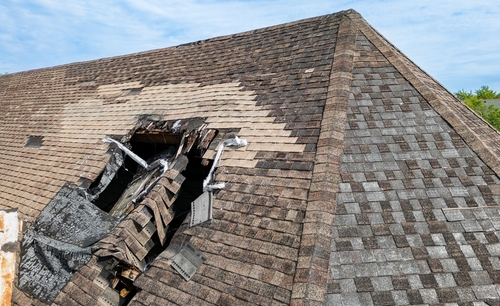
Warning signs that deserve attention before an Illinois winter include visible roof damage, drainage problems, attic moisture, and evidence of previous leaks. Homeowners can often identify concerns from the ground or inside the attic without climbing onto the roof.
Watch for:
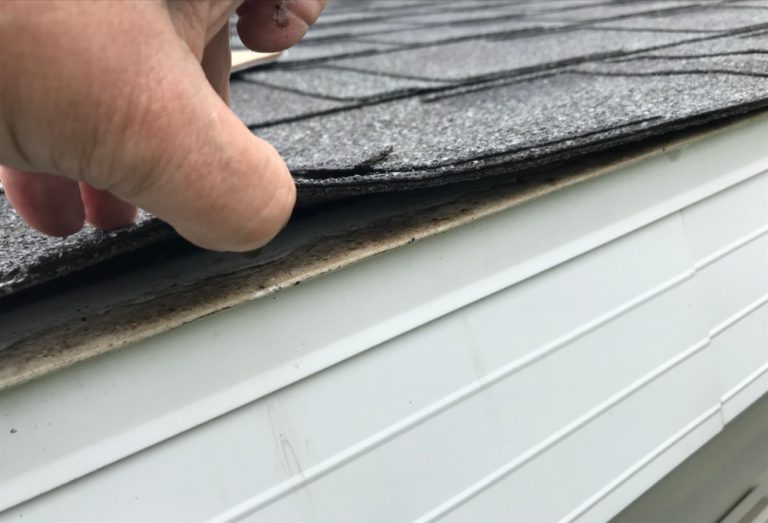
- Missing, loose, cracked, or visibly damaged shingles.
- Flashing that appears lifted, separated, rusted, or damaged.
- Gutters filled with leaves, roofing debris, or other material.
- Downspouts that do not direct water away effectively.
- Water stains on ceilings, walls, roof decking, or attic framing.
- Damp or compressed attic insulation.
- Noticeable drafts or unusually cold upper-level rooms.
- Tree branches hanging over or rubbing against the roof.
Any active leak or visibly damaged roof area should be evaluated rather than left for winter weather to test.
When to Call a Roofing Professional
A roofing professional should be called when inspection requires climbing onto a steep, high, wet, icy, or otherwise unsafe roof, or when homeowners find signs of leakage or material damage. Ground-level observations and attic checks can be useful DIY tasks, but roofing repairs require safe access and an understanding of how individual components interact.
Professional evaluation is particularly useful if you see missing shingles, questionable flashing, recurring ceiling stains, sagging areas, or evidence that moisture has reached the attic.
Once snow or ice covers a roof in Chicago, diagnosing some exterior problems can become more difficult. Addressing known concerns during fall usually provides a better opportunity to understand the condition before severe weather arrives.
Common Causes of Chicagoland Winter Roof Problems
Common winter roof problems in Chicagoland are often connected to drainage restrictions, existing roof damage, attic heat loss, flashing weaknesses, and weather exposure. These conditions may already exist in fall but become more apparent after snow, ice, and freezing temperatures arrive.
1. Clogged gutters and downspouts: Leaves and debris can restrict drainage as snow melts.
2. Existing shingle damage: Loose or damaged materials can leave portions of the roof more vulnerable to winter moisture and wind.
3. Flashing problems: Roof valleys, chimneys, walls, vents, and other penetrations rely on properly functioning flashing to manage water.
4. Attic insulation concerns: Heat escaping through the attic can contribute to uneven roof temperatures and unnecessary heat loss.
5. Ventilation problems: Roofing and attic ventilation work together to manage heat and moisture.
6. Tree exposure: Mature trees common throughout Cook County can drop leaves, branches, and debris onto roofs and gutters during fall storms and winter weather.
Your Fall Roof and Attic Maintenance Checklist
A useful fall maintenance routine should cover the roof, gutters, attic, and nearby trees before freezing weather settles over northeastern Illinois. Most homeowners can perform visual checks safely from the ground and inside the home, while leaving roof access and repairs to trained professionals.
Before winter:
- Inspect the roof from the ground for obvious missing or damaged materials.
- Clean leaves and debris from gutters and verify that downspouts can drain.
- Check ceilings and attic surfaces for staining or damp areas.
- Look at accessible insulation for gaps, compression, or signs of moisture.
- Check for branches that could scrape or fall onto the roof.
- Pay attention to flashing around visible chimneys and roof penetrations.
- Schedule an inspection if anything looks damaged or uncertain.
Never climb onto a snowy, icy, wet, or steep roof to complete a winter inspection.
What to Expect From Preventive Roof Maintenance
Preventive roof maintenance can help identify correctable issues before winter weather makes them more disruptive or difficult to access. The goal is not to make a roof immune to severe weather, but to improve its readiness by addressing visible damage, drainage restrictions, insulation concerns, and other known vulnerabilities.
Depending on the roof’s condition, the appropriate next step might be routine maintenance, a targeted repair, insulation work, or a discussion about broader roofing needs.
A professional inspection should give you a clearer understanding of what requires attention now and what can continue to be monitored.
Common Winter Roof Preparation Mistakes
The most common winter preparation mistakes involve waiting too long, focusing only on shingles, and attempting unsafe DIY work. A better approach considers the complete roof and attic system before snow and ice limit access.
Mistake: Waiting for the first leak.
Consequence: A weakness may first become obvious during difficult winter conditions.
Better approach: Investigate stains, damaged materials, and drainage problems during fall.
Mistake: Ignoring the attic.
Consequence: Insulation or moisture problems can go unnoticed.
Better approach: Include accessible attic areas in your seasonal inspection.
Mistake: Cleaning gutters but ignoring downspouts.
Consequence: Meltwater can still drain poorly.
Better approach: Check the complete drainage path.
Mistake: Walking on an icy roof.
Consequence: Winter roof access creates serious fall hazards.
Better approach: Use ground-level observations and call a professional when roof access is required.
A Common Chicagoland Winter Scenario
A common local scenario starts with a roof that appears generally fine from the street but has partially clogged gutters, a small flashing weakness, or an attic insulation issue. Fall leaves restrict drainage, then early snow arrives. During a warmer period, snow begins melting before temperatures fall below freezing again.
That sequence can expose weak points that were less noticeable during dry autumn weather.
The practical lesson for local homeowners is simple: winter preparation should happen before the roof is covered. Checking drainage, visible roofing materials, attic conditions, and known problem areas in fall provides more time to address concerns safely.
Roofing and Insulation Solutions for Winter Readiness
Roofing and insulation services can address different parts of the same winter-readiness problem. Roof inspection and repair focus on exterior weather protection, while insulation work can address conditions inside the home that affect comfort and heat movement through the attic.
For some properties, the priority may be repairing damaged roofing materials. Others may need attention around flashing, ventilation, drainage, or attic insulation. The right solution depends on the condition of the individual property.
Request a roof or insulation evaluation
DIY Checks vs. Professional Roof Service
DIY checks are appropriate for safe visual observations, while professional service is appropriate when roof access, diagnosis, or repairs are required. Homeowners can inspect ceilings, accessible attic areas, gutters from a safe vantage point, and visible roof surfaces without putting themselves at unnecessary risk.
Professional service becomes more appropriate when there are active leaks, damaged shingles, questionable flashing, recurring moisture, difficult roof access, or uncertainty about whether insulation and roof conditions are connected.
The goal is not to call for service over every minor concern. It is to recognize where a safe homeowner check ends and roofing work begins.
Service Areas Around Chicago
We serve homeowners in Chicago and surrounding Chicagoland communities. Properties across Cook County and nearby areas such as Oak Park and Evanston face many of the same winter concerns, including snow, ice, wind, freezing temperatures, and seasonal drainage challenges.
The Cost of Ignoring Roof Problems Before Winter
Ignoring an existing roof problem can allow moisture or material damage to continue during a season when repairs may be less convenient. Waiting can also mean discovering the issue only after water reaches insulation, decking, ceilings, walls, or other parts of the home.
Not every visible imperfection requires major work, but known leaks, damaged materials, and persistent moisture deserve attention. Early evaluation can help homeowners understand the scope of the problem before winter weather complicates the situation.
Frequently Asked Questions About Preparing a Roof for Winter
Preparing a roof for winter raises practical questions about timing, gutters, snow, insulation, and professional inspections. For Chicagoland homeowners, the safest approach is to complete accessible checks during fall and address known damage before freezing temperatures and roof-covering snow become common.
When should I prepare my roof for winter in Chicago?
Fall is generally the best time to prepare a roof for winter in Chicago because homeowners can inspect visible components and address problems before snow, ice, and prolonged freezing weather arrive. Exact timing varies with weather conditions, but preparation should ideally be completed while roof surfaces remain safely accessible.
Should I clean my gutters before an Illinois winter?
Yes. Cleaning gutters before winter helps melting snow and rain move away from the roof edge through the intended drainage system. Chicagoland homeowners should also check downspouts because a clean gutter is less useful when water cannot continue through the drainage path effectively.
Can attic insulation affect my roof during winter?
Yes. Attic insulation influences how heat moves from the living space toward the roof, so insulation should be considered as part of winter roof preparation. If upper rooms feel unusually cold or attic insulation appears uneven, compressed, or damp, a professional evaluation can help determine what is happening.
Are ice-related roof problems common in Chicagoland?
Ice-related concerns are relevant in Chicagoland because winter temperatures can move above and below freezing, allowing snow or ice to melt and later refreeze. Homeowners should focus on proper drainage, roof condition, and attic performance rather than waiting until visible ice develops before investigating known problems.
Can I inspect my Chicago roof myself?
You can perform a basic Chicago roof inspection from the ground and from safely accessible interior areas. Look for missing materials, gutter debris, ceiling stains, attic moisture, and overhanging branches. Avoid climbing onto steep, wet, snowy, or icy roofing surfaces, especially during winter.
What roof areas should I check before snow arrives?
Check visible shingles, roof edges, gutters, downspouts, valleys, flashing, chimneys, vents, and other penetrations before snow arrives. Inside the home, inspect ceilings and accessible attic areas for stains or moisture. These locations can provide useful clues about problems that deserve closer professional evaluation.
Do older Cook County homes need extra winter roof preparation?
Older Cook County homes can benefit from careful winter preparation because previous repairs, aging materials, attic alterations, and older insulation conditions may affect how the roof performs. Age alone does not mean a roof is failing, so homeowners should base decisions on actual condition and documented problems.
Should I remove snow from my roof myself?
Homeowners should avoid climbing onto a snowy or icy roof. Snow-covered roofing surfaces can be extremely slippery, and roof edges may conceal ice. If snow accumulation creates a concern about the condition or safety of your roof, seek professional guidance rather than attempting hazardous rooftop work yourself.
Get Your Chicagoland Roof Ready for Winter
Preparing before freezing weather gives you more time to understand your roof’s condition and address problems that could become harder to manage once snow and ice arrive. Our goal is to help local homeowners make informed decisions about roofing and insulation based on the needs of their property.
Protect Your Home Before Chicagoland Winter Weather Arrives
Get clear guidance on your roof and insulation needs before winter conditions expose existing weaknesses.