As the chill of late autumn creeps over Illinois, commercial property owners in areas like Morton Grove and Chicago are bracing for another harsh winter. One critical task often overlooked until it’s too late is scheduling an annual flat roof inspection. Commercial flat roof maintenance is not a luxury but a necessity, especially when freezing temperatures and snow threaten the structural integrity of your roofing system.
Low slope roofs, such as those commonly found on commercial and industrial buildings, are particularly vulnerable to winter weather. Whether your building utilizes TPO or EPDM membrane systems, the risk of leaks, cracks, or ponding water increases dramatically as temperatures drop and snow begins to accumulate. Without proactive inspections and repairs, you may find yourself trapped in a costly and disruptive leak cycle.
Why Timing Matters: The Dangers of Waiting Until After the Freeze
The first freeze of winter acts like a switch. Once temperatures dip below 32°F consistently, moisture trapped in cracks or beneath membrane layers freezes and expands. This process is particularly damaging to flat roofs, where drainage is limited and pooling water is more common. If your building has existing vulnerabilities, unsealed flashing, membrane punctures, clogged drainage systems, those issues will worsen exponentially when ice gets involved.
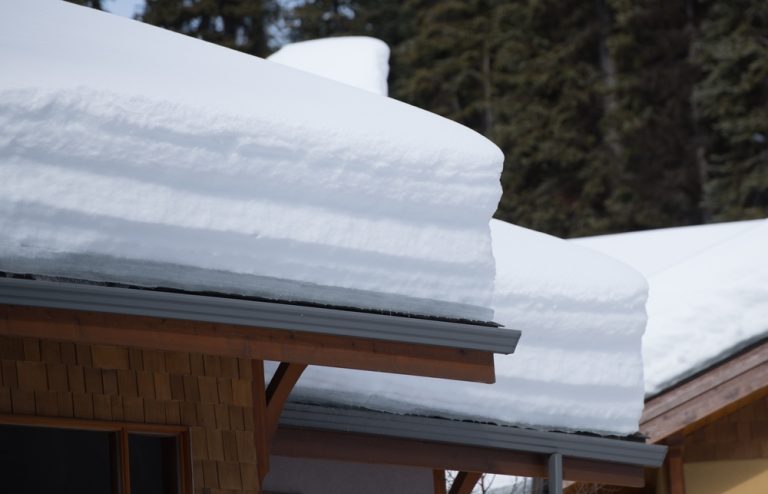
For property managers in Morton Grove or greater Chicago, delaying commercial flat roof maintenance until after the season’s first snow could mean facing emergencies such as leaks, interior water damage, or even structural compromise. Flat roofs don’t shed snow like sloped ones, so the weight load of accumulated snow and ice can also threaten your building’s safety. The first freeze marks a turning point, after which preventative care becomes reactive damage control.
By investing in a professional inspection and making timely repairs, you can ensure your roof is winter-ready. From TPO EPDM repair to sealing vulnerable areas around rooftop penetrations, there are crucial steps you can take to safeguard your property now and avoid the much higher costs of emergency commercial roof leak repair during peak winter.
Commercial Roofs and Winter: A Perfect Storm of Risk Factors
Commercial flat roofs face a combination of risk factors in winter that make them particularly prone to damage. These include thermal contraction and expansion, ponding water, ice dams, and heavy snow loads. Each of these phenomena can stress roof membranes and seams, and without early detection, can result in catastrophic failure.
Thermal shock, caused by rapid shifts in temperature, can cause membrane materials like TPO and EPDM to contract, leading to seam separation and cracking. Snowmelt during the day followed by nighttime freezes creates cycles of freezing water that seeps into even the tiniest vulnerabilities. This is particularly concerning for flat roofs that have not been recently inspected or maintained.
When snow and ice accumulate, proper drainage becomes even more critical. Ice can clog scuppers and downspouts, causing water to back up and freeze in place. The additional weight and moisture stress the roof, increasing the chances of leaks and structural sagging. In these scenarios, roof snow removal commercial services become not only helpful but essential for preserving the life of your roof.
In industrial building roofing maintenance, the combination of daily operations, HVAC units, and roof access can exacerbate wear and tear, particularly during winter. When these elements go unchecked, the cumulative effect creates a perfect storm of vulnerabilities right when your roof needs to be at its strongest.
Benefits of Early Inspection and Repair
Conducting a commercial flat roof inspection before winter sets in provides a number of key advantages. It allows roofing professionals to detect early signs of deterioration, such as blistering, cracking, or seam separation. These issues are easier and less expensive to address before they become widespread or involve multiple layers of roofing.
For property owners in Morton Grove or the broader IL region, early inspection also offers logistical benefits. Roofing contractors are more readily available before the busy winter season. Once the first major snow hits Chicago, contractors often switch from preventative care to emergency repairs, making it harder to schedule timely service.
Early TPO EPDM repair ensures that your roof membrane is flexible and intact before it’s subjected to the freeze-thaw cycle. You also have the opportunity to clean drainage systems, apply protective coatings, and schedule roof snow removal commercial services in advance. This comprehensive approach to commercial flat roof maintenance minimizes disruptions to your business and protects valuable assets inside the building.
Additionally, early inspections are crucial for documentation and insurance purposes. Having a detailed, timestamped inspection report showing your roof was in good condition before winter can help during insurance claims should unexpected damage occur later in the season.
The Cost of Neglect: What Happens When You Skip the Inspection
Skipping an annual inspection may save a few dollars now, but it can lead to major expenses down the line. Commercial roof leak repair during winter is typically more expensive due to hazardous working conditions, limited daylight, and the need for temporary rather than permanent fixes.
For example, a small puncture in an EPDM roof membrane may only cost a few hundred dollars to patch before winter. However, if left unaddressed, that same puncture can allow water to seep into insulation and decking. As the water freezes and thaws repeatedly, it can cause widespread delamination, rot, and structural degradation. By the time you notice a stain on the ceiling, thousands of dollars in hidden damage may have already occurred.
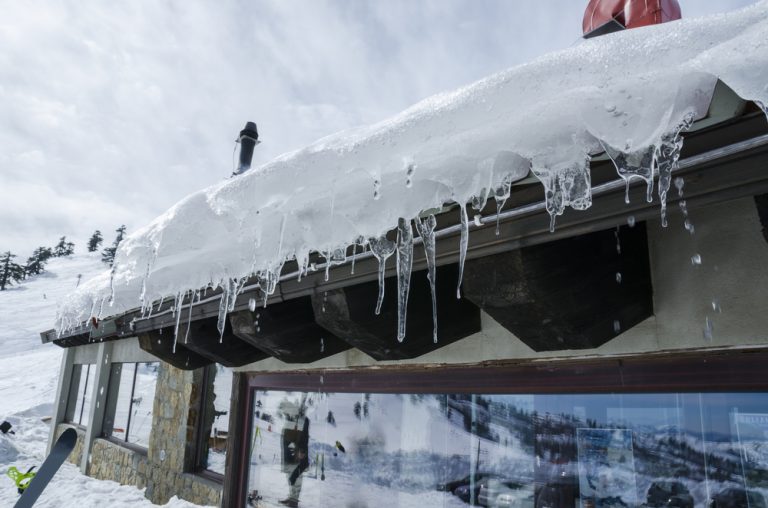
Low slope roof ice damage is especially insidious because it often starts unnoticed. Ice dams form at the edges of roofs and prevent melting snow from draining. This water then backs up under the membrane and into the building envelope. Unlike dramatic leaks, ice-related damage can spread silently over weeks or months, compromising indoor air quality and creating mold and mildew problems that affect tenant comfort and health.
In Chicago’s harsh winters, the difference between proactive and reactive maintenance often comes down to the financial survival of a property. Industrial building roofing maintenance must be planned and executed with foresight to avoid these costly consequences.
Partnering with Experts: Professional Roofers Make the Difference
No matter how well-trained your facilities staff may be, the expertise of a professional roofing contractor is invaluable when it comes to assessing the condition of a commercial flat roof. A trained inspector can spot subtle signs of wear, check for membrane adhesion, test drainage systems, and provide expert guidance on TPO EPDM repair.
Many reputable contractors in IL offer seasonal inspection packages tailored to the needs of commercial and industrial buildings. These services often include detailed assessments, photo documentation, infrared moisture scanning, and prioritized repair plans. Having an ongoing relationship with a trusted roofing partner ensures continuity of care and establishes a maintenance history, which can be crucial for warranties and future budgeting.
For businesses in Morton Grove or Chicago, engaging with a roofing specialist early in the season also allows time to plan for roof snow removal commercial services. This includes identifying where snow loads are most dangerous, which areas need special attention, and creating an access plan that minimizes disruption to operations during winter storms.
The best contractors also offer emergency service plans and flexible scheduling, so should issues arise mid-winter, you have a dedicated team ready to respond. This peace of mind is invaluable when managing high-traffic or critical facilities like warehouses, hospitals, or multi-tenant office buildings.
Conclusion
As winter looms, the time to act is now. Annual inspections are not merely checkboxes on a maintenance list; they are essential strategies to stop the leak cycle before it begins. Commercial flat roof maintenance, especially in regions like Morton Grove and Chicago, is a proactive investment that pays off in the form of reduced emergency repairs, improved safety, and extended roof life.
Don’t wait for the first freeze to expose hidden vulnerabilities. By scheduling an inspection now, addressing issues like TPO EPDM repair, ensuring proper drainage, and planning for roof snow removal commercial needs, you safeguard your property and operations against the harshest months of the year.
Industrial building roofing maintenance is more than routine; it’s the frontline defense against winter’s most destructive forces. Break the cycle of winter damage and emergency repairs. Let this be the season you take control, protect your investment, and ensure your commercial roof weathers the storm.
Need Quality Roofing for Your Home?
At Williams Roofing & Insulation, we treat every project like it’s for our own family—because we are family-owned and deeply rooted in our local community. Whether you need shingles, a full roof replacement, or professional gutter services, our licensed and BBB-accredited team is here to deliver quality, safety, and value every step of the way. Don’t wait—reach out today for a complimentary quote, and don’t forget to ask about our special discounts for seniors and military members. Let’s protect your home, together.