The unpredictable climate of Illinois presents one of the most challenging environments for residential roofing in the United States. From brutal winters to severe summer storms, Illinois weather roof damage represents one of the most common reasons homeowners in the Chicago area call roofing contractors. If you own a home in Chicago, Naperville, Skokie, Northbrook, or anywhere across the Midwest, understanding how local weather impacts your roof is essential for protecting one of your largest investments.
Homeowners often underestimate the toll that Illinois weather takes on their roofing systems. The state experiences dramatic temperature swings, intense precipitation events, and wind conditions that few other regions match. This comprehensive guide explores why Midwest weather roof wear and tear is so significant and what you can do to protect your home.
Understanding Illinois Extreme Temperature Fluctuations
One of the primary culprits behind Illinois weather roof damage is the dramatic temperature variance the state experiences throughout the year. Winter temperatures can plummet well below freezing, while summer highs often exceed 90 degrees Fahrenheit. This constant expansion and contraction puts immense stress on roofing materials.
Your roof expands when heated and contracts when cooled. Repeated cycles of expansion and contraction cause fasteners to loosen, seals to crack, and shingles to become brittle. Over time, this thermal stress compromises the structural integrity of your entire roofing system. Materials that were once flexible become rigid and susceptible to damage. Homeowners in Chicago, IL frequently discover that their roofs have deteriorated faster than expected, largely due to these temperature extremes.
The transition seasons present particular challenges. During spring and fall, temperature swings can occur within a single day. A morning frost followed by an afternoon warm spell places extraordinary stress on roofing materials. This is why roofing services, Northbrook, IL providers report increased calls during spring months, as winter damage becomes visible once snow melts.
Harsh Winter Conditions and Snow Load Damage
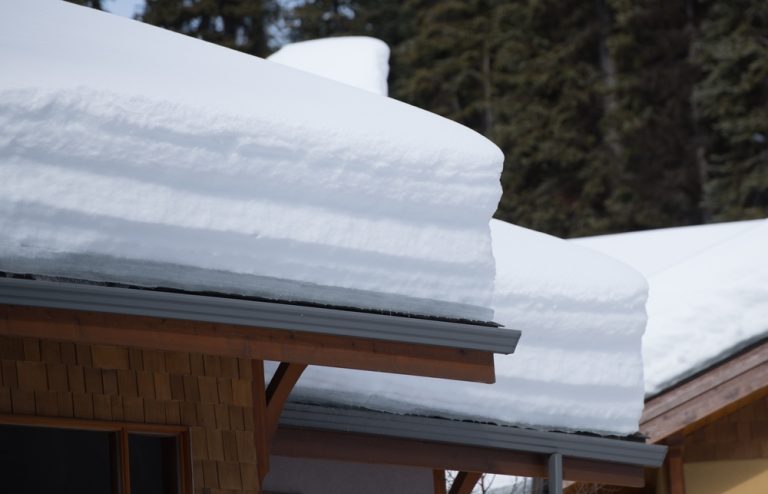
Illinois winters are notoriously severe, and the snow that accompanies these cold months creates significant problems for residential roofing systems. Heavy snow accumulation adds tremendous weight to your roof, and the freeze-thaw cycle creates additional complications that most homeowners fail to anticipate.
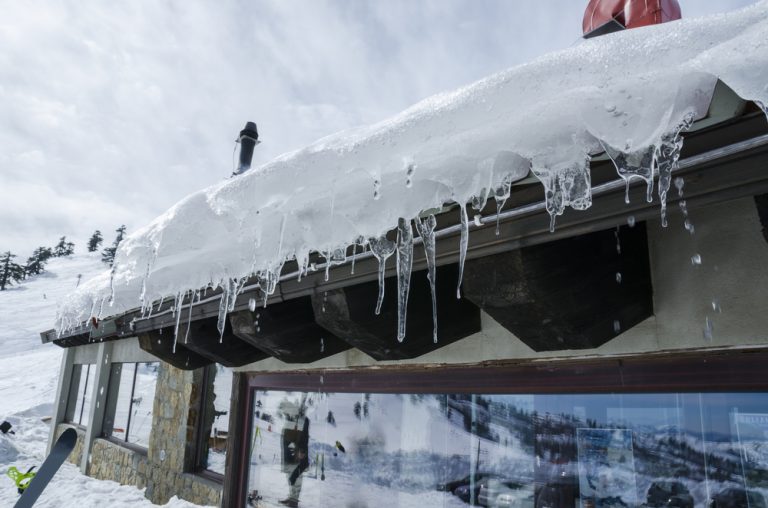
When snow melts and refreezes, it forms ice dams along the edges of your roof. These ice dams prevent water from draining properly, forcing moisture underneath shingles and into your home. The resulting water intrusion can damage attic insulation, create mold growth, and cause costly interior damage. A roofing contractor in Chicago, IL will tell you that ice dam damage represents one of the most expensive problems homeowners face after winter months.
The weight of heavy snow also stresses roof trusses and framing. While most modern roofs are designed to handle typical snow loads, unexpected heavy snowfalls can exceed these specifications. This places homeowners at risk of structural damage and potential roof collapse in extreme cases. Regular roof inspections during winter can help identify problems before they become catastrophic.
Salt and deicing chemicals used on roads and driveways also impact roofing systems. Wind carries these corrosive materials onto roof surfaces, accelerating the deterioration of metal components and fasteners. This is why roof repair, Naperville, IL specialists emphasize the importance of regular maintenance and inspection during winter months.
Severe Spring and Summer Storms
Beyond the winter months, Illinois experiences some of the most intense spring and summer storms in the nation. Severe thunderstorms, hail events, and occasional tornadoes strike the state regularly, causing significant Illinois weather roof damage that homeowners must address promptly.
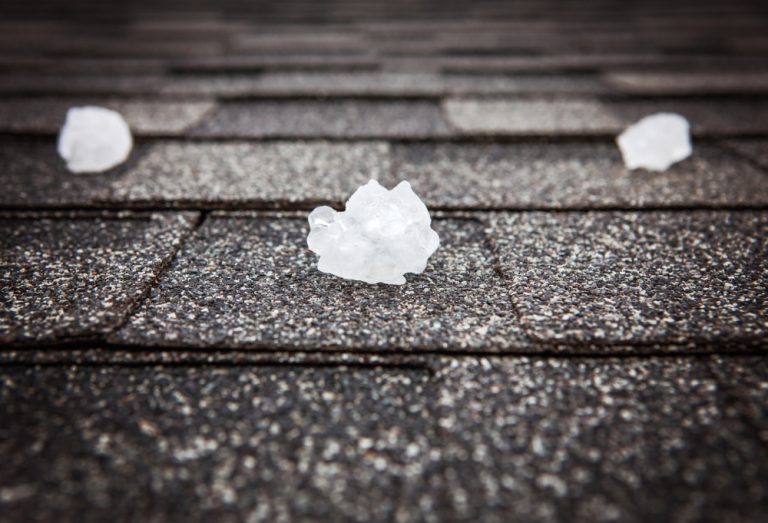
Hail represents one of the most damaging weather elements for roofing systems. Even relatively small hailstones can create impact damage that compromises shingle integrity. Larger hail can puncture through shingles entirely, exposing the underlying materials and creating pathways for water infiltration. After significant hail events, homeowners across the Midwest should immediately contact roofing services providers to assess damage.
High winds accompanying severe storms create their own set of challenges. Wind forces can lift shingles, tear off flashing, and in extreme cases, completely remove sections of roofing. Improper installation or aging materials become painfully apparent during high wind events. A roofing contractor in Chicago, IL might discover that corners were cut during initial installation, leaving your home vulnerable to wind damage.
Spring storms often occur when homeowners least expect them, striking early in the roofing season before people have addressed winter damage. The combination of winter wear and tear followed immediately by severe spring storms can be devastating. This is why scheduling a spring roof inspection is so important for homeowners throughout Illinois.
Humidity and Moisture-Related Deterioration
Illinois weather also brings significant humidity and moisture challenges that create problems beyond the obvious water intrusion from storms. The state’s proximity to Lake Michigan creates humid conditions that persist throughout much of the year, particularly during summer months.
Constant moisture exposure accelerates the growth of algae, moss, and lichen on roof surfaces. While these organisms might seem purely aesthetic, they actually trap additional moisture against shingles, accelerating deterioration. Homeowners often don’t realize their roof damage, Skokie, IL problems have become serious until they notice visible discoloration spreading across their roof.
Humidity also promotes wood rot in the structural components beneath your roofing system. If moisture penetrates past the shingles and reaches the plywood decking or rafters, decay begins immediately. By the time homeowners notice signs of interior water damage, significant structural problems may already exist. This is why preventative maintenance through professional roofing services, Northbrook, IL remains so important.
Improper attic ventilation compounds moisture problems. When warm, humid air becomes trapped in the attic, it condenses on cooler surfaces, creating an environment perfect for mold growth and rot. Ensuring proper ventilation and addressing any roof damage that might compromise airflow is essential for long-term roof health.
Protecting Your Roof: Proactive Maintenance and Professional Help
Understanding the challenges presented by Midwest weather roof wear and tear is the first step toward protection. The second step is implementing a comprehensive maintenance program that addresses these specific challenges.
Schedule professional inspections at least twice yearly, ideally in spring and fall. These inspections allow a roofing contractor in Chicago, IL to identify damage early, before it becomes expensive. After severe weather events, immediate inspection is equally important.
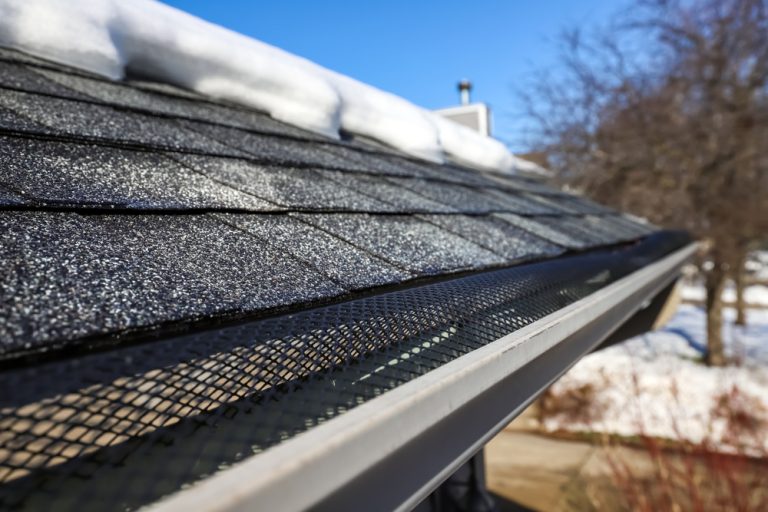
Keep gutters and downspouts clean and functioning properly. Clogged gutters prevent proper water drainage and create standing water that damages roofing materials. Water that cannot drain properly seeks entry points, infiltrating your home and causing structural damage.
Trim tree branches that hang over your roof. During storms, falling branches cause direct damage, and even without storms, constant contact from leaves and branches damages shingles and prevents proper water shedding.
Address any signs of damage immediately. Missing or damaged shingles should be repaired or replaced promptly. Flashing around chimneys, vents, and skylights should be inspected and resealed regularly. Delaying repairs allows damage to spread, multiplying costs.
Consider upgrading to impact-resistant roofing materials. While these cost more initially, they withstand hail, wind, and temperature fluctuations better than standard materials. For homeowners with aging roofs, replacement with superior materials is often more cost-effective than repeated repairs.
Work with experienced local professionals who understand Illinois weather challenges. A roof repair, Naperville, IL specialist who has worked through multiple seasons understands the specific problems facing homeowners in your area.
Conclusion
Illinois weather presents genuine challenges to residential roofing systems. Through understanding these challenges and implementing proactive maintenance, homeowners can significantly extend roof lifespan and protect their investments from costly damage. Regular professional inspection by qualified roofing services providers is the most important step you can take.
Need Quality Roofing for Your Home?
At Williams Roofing & Insulation, we treat every project like it’s for our own family, because we are family-owned and deeply rooted in our local community. Whether you need shingles, a full roof replacement, or professional gutter services, our licensed and BBB-accredited team is here to deliver quality, safety, and value every step of the way. Don’t wait; reach out today for a complimentary quote, and don’t forget to ask about our special discounts for seniors and military members. Let’s protect your home, together.