A roof problem after a windy storm, heavy rain, or a long Chicago winter does not automatically mean you need a new roof. The harder question is whether the damage is isolated enough to repair or widespread enough that replacement makes more sense.
Quick answer: Roof repair is usually appropriate when damage is limited to a small area and the surrounding roofing system remains in serviceable condition. Roof replacement becomes more likely when deterioration is widespread, leaks keep returning, multiple areas have failed, or the roof can no longer reliably protect the home. The best decision considers the roof as a complete system, not just the most visible problem.
What local homeowners should know
- A single leak does not automatically mean the entire roof needs replacement.
- Chicago’s snow, rain, wind, summer heat, and repeated temperature changes can expose weak points in an aging roofing system.
- Damage around flashing, vents, chimneys, or a limited section of shingles may sometimes be repairable.
- Recurring problems in several locations can indicate deterioration beyond one isolated defect.
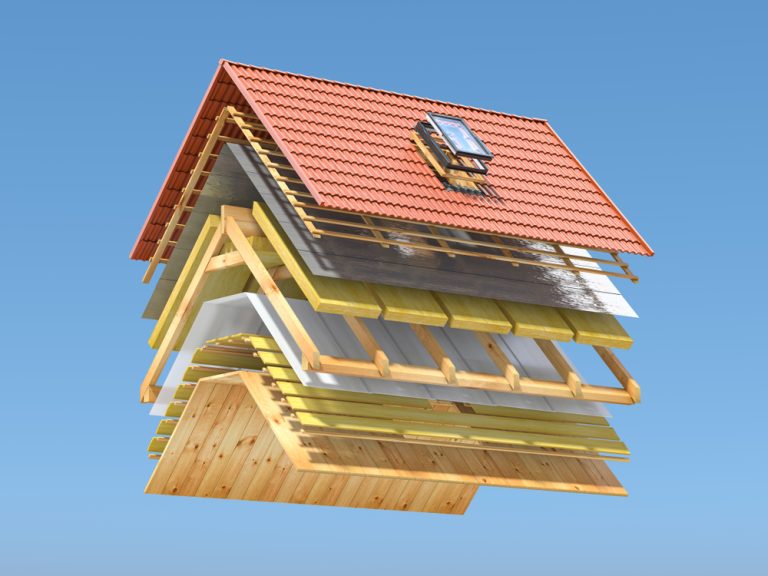
- An inspection should consider roofing materials, flashing, drainage, ventilation, and the condition beneath damaged areas.
Why Does the Repair-or-Replacement Decision Matter in Chicago?
The repair-or-replacement decision matters in Chicago because local roofs experience substantial seasonal changes, precipitation, snow, and periods of freezing temperatures that can repeatedly test vulnerable roofing materials. A small defect that survives mild weather may become more noticeable after winter or a series of strong storms.
National Weather Service climate normals for Chicago O’Hare show average annual precipitation of 37.86 inches and snowfall of 38.4 inches. The same climate record shows an average of 121.3 days per year when temperatures fall to 32°F or below.
That combination makes roof condition especially important on homes throughout Cook County. Neighborhoods such as Lincoln Park, Lakeview, Portage Park, and Beverly also contain housing of different ages and roof configurations, so there is no single repair rule that fits every property.
Williams Roofing & Insulation serves homeowners facing these kinds of roofing decisions. We look at the condition and extent of the problem so homeowners can understand whether a targeted repair or broader replacement is the more appropriate path.
What Do Local Weather Conditions Mean for Your Roof?
Chicago weather means a roof must handle moisture, snow, freezing conditions, summer heat, and seasonal temperature swings, making existing weaknesses more likely to become visible over time. The National Weather Service’s 1991-2020 climate normals provide useful context for why local roofing systems deserve attention throughout the year.
January’s normal average temperature at O’Hare is 25.2°F, while July’s is 75.4°F. Normal snowfall is concentrated heavily in the colder months, while spring and summer bring substantial rainfall.
From a roofing standpoint, those conditions can reveal loose materials, deteriorated flashing, drainage problems, and areas where water is entering the roof assembly. Homeowners should pay particular attention after severe weather and during the transition from winter into spring.
What Are the Warning Signs That a Roof May Need Attention?
Roof warning signs include active leaks, missing or damaged roofing materials, deteriorated flashing, visible sagging, recurring interior stains, and problems that return after previous repairs. The number, location, and severity of these symptoms help determine whether a Chicago-area home may need repair or replacement.
Watch for:
- Water stains appearing on ceilings or walls
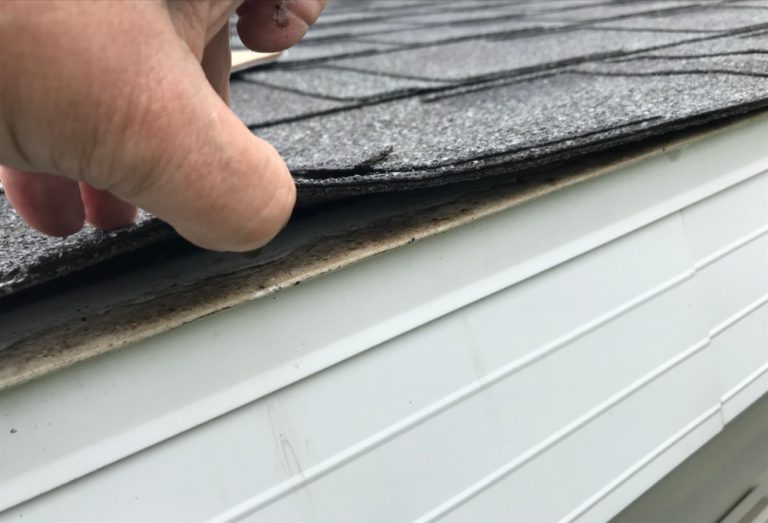
- Missing, cracked, curled, or visibly damaged shingles
- Roofing material collecting in gutters or near downspouts
- Damaged or separated flashing near chimneys and roof penetrations
- Repeated leaks in the same location
- Leaks or deterioration appearing in multiple roof areas
- Visible changes in the roofline or sagging
- Signs of moisture in the attic or roof structure
Interior stains deserve attention even when they appear minor. Water can travel along framing or other materials before becoming visible inside the living space, so the location of a ceiling stain does not always identify the actual entry point.
When Is Roof Repair Usually the Better Choice?
Roof repair is generally the better choice when damage is isolated, the surrounding roof remains functional, and correcting the affected area can restore reliable protection without addressing widespread deterioration. This can occur after localized wind damage, flashing failure, or a problem around one roof penetration.
For example, a homeowner in Logan Square might discover a leak near a vent after a storm. If an inspection shows that the defect is confined to that area while the surrounding roofing materials remain serviceable, targeted repair may be appropriate.
Repair can also make sense when a problem is caught early. That is why investigating a new leak promptly is preferable to repeatedly watching the stain and waiting for another storm.
A repair should still address the source of water entry rather than simply covering the visible symptom.
When Is Roof Replacement More Likely to Make Sense?
Roof replacement is more likely to make sense when deterioration affects large portions of the roof, failures keep recurring, or multiple roofing components are no longer providing dependable protection. Repeatedly repairing individual symptoms can become less practical when the underlying system has widespread problems.
Replacement may deserve consideration when:
- Damage extends across multiple roof sections
- Leaks are occurring in several locations
- Roofing materials show widespread deterioration
- Previous repairs repeatedly fail to control water intrusion
- The roof deck or other underlying components show significant deterioration
- Matching and integrating repairs into the existing roofing system becomes impractical
Roof age can provide context, but age alone should not decide the issue. Installation quality, material condition, ventilation, maintenance, storm exposure, and previous repairs all affect how a roof performs.
What Commonly Causes Roof Problems in the Chicago Area?
Common Chicago-area roof problems are associated with storm damage, moisture intrusion, deteriorated flashing, drainage issues, aging materials, and stresses related to seasonal temperature changes. Determining the actual cause is essential because similar interior symptoms can originate from different roof defects.
1. Storm and wind damage
Strong weather can loosen or remove roofing materials and expose previously protected areas.
2. Flashing deterioration
Chimneys, walls, vents, skylights, and other roof penetrations require properly functioning flashing. These transition areas deserve close attention when tracing leaks.
3. Drainage problems
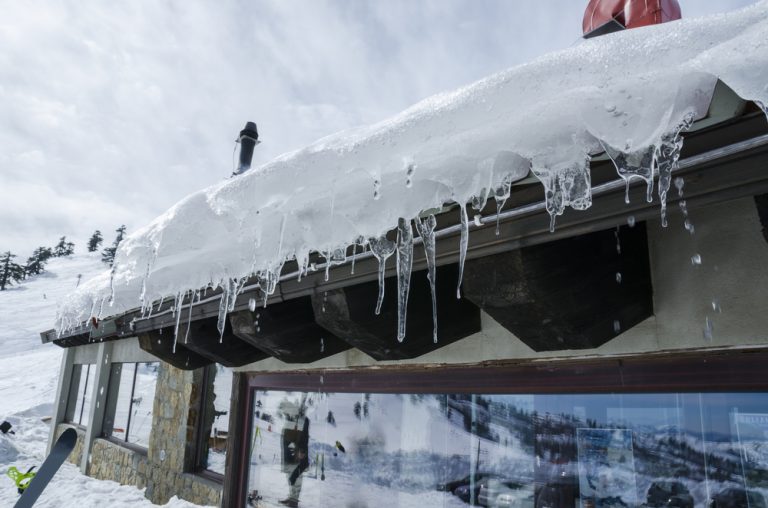
Gutters and roof drainage paths help move water away. Debris, ice, or improper drainage can contribute to moisture remaining where it should not.
4. Aging roofing materials
Over time, roofing materials can lose their ability to perform as intended. Widespread deterioration is more significant than one isolated damaged area.
5. Previous repair problems
A temporary patch may conceal a symptom without resolving the source. Recurring leakage after repairs is a reason to have the larger roof system evaluated.
When Should You Call a Roofing Professional?
A roofing professional should evaluate leaks, widespread material damage, suspected structural problems, recurring moisture, and any condition that would require climbing onto a steep, wet, icy, or damaged roof. Homeowners can safely perform basic observations from the ground and inside the attic without putting themselves at unnecessary risk.
After a storm, you can look for debris on the property, visible missing materials, new ceiling stains, or water in the attic. Binoculars can also help with a ground-level visual check.
Avoid walking on a questionable roof, particularly during Chicago winters or immediately after rain, snow, or ice.
How Can Homeowners Reduce Future Roof Problems?
Homeowners can reduce future roof problems by monitoring drainage, checking for visible damage after severe weather, investigating leaks promptly, and scheduling professional evaluation when deterioration appears. Seasonal checks are especially useful before winter and after periods of harsh weather.
Keep gutters and drainage paths clear when it is safe to do so. From the ground, periodically look for changes in roofing materials, flashing, gutters, and roof edges.
Inside, check accessible attic areas for moisture staining or other signs of water entry. After major weather events, compare the roof’s current appearance with its normal condition.
DIY maintenance should stop where fall risk, electrical hazards, structural concerns, or roof disassembly begins.
What Results Should You Expect From Repair or Replacement?
A properly selected roofing solution should address the identified source of the problem and restore the affected roof system’s ability to protect the home. Repair focuses on correcting limited defects, while replacement addresses roofing materials and components across a much larger area.
The appropriate result depends on what the inspection finds. A homeowner with one damaged section should not assume replacement is necessary, just as a homeowner with widespread deterioration should not assume another patch will resolve the larger issue.
The goal is to match the scope of work to the actual roof condition.
What Mistakes Do Homeowners Make When Choosing Between Repair and Replacement?
The most common mistake is deciding between repair and replacement based only on the visible symptom rather than the condition of the complete roofing system. Chicago-area homeowners can make a better decision by identifying the source, extent, and recurrence of the damage first.
Mistake: Assuming every leak requires replacement.
Consequence: A homeowner may consider a larger project when the problem is actually isolated.
Better approach: Have the leak source and surrounding roof condition evaluated.
Mistake: Patching every recurring leak.
Consequence: Repeated work may address symptoms without resolving widespread deterioration.
Better approach: Ask whether recurring failures point to a broader roofing issue.
Mistake: Waiting because a leak stopped.
Consequence: The absence of rain may temporarily hide the problem.
Better approach: Investigate new water intrusion before the next major weather event.
Mistake: Inspecting an icy or damaged roof yourself.
Consequence: Falls and unstable materials can create serious safety hazards.
Better approach: Observe from the ground and leave rooftop inspection to trained professionals.
What Is a Common Chicago-Area Roofing Scenario?
A common local scenario is a homeowner discovering a ceiling stain after snowmelt or heavy rain and assuming the entire roof has failed. In reality, the next step should be determining where moisture entered and whether the problem is isolated or part of wider deterioration.
Suppose a bungalow in Portage Park develops staining near an upstairs ceiling. An evaluation might identify a localized flashing or roofing defect, which could point toward repair. If the same inspection instead finds deterioration across several roof sections and evidence of repeated water entry, replacement may deserve consideration.
This is a representative scenario, not a specific customer case study.
What Roofing Services Can Address These Problems?
Roof inspection, targeted roof repair, and roof replacement address different stages and scopes of roofing problems, so the appropriate service should follow the condition found during evaluation. The objective is to identify what is failing before deciding how much of the roofing system needs work.
We can help homeowners understand the difference between a localized defect and a broader roofing problem. That distinction gives property owners a clearer basis for discussing repair and replacement options.
Request a roof evaluation to learn which option fits your home’s current condition
Roof Repair vs. Roof Replacement: How Do the Options Compare?
Roof repair is best suited to limited, repairable damage, while roof replacement is designed for widespread deterioration or roofing systems with multiple significant problems. Chicago homeowners should compare the scope of damage, recurrence of leaks, overall roof condition, and expected usefulness of additional repairs.
| Factor | Roof Repair | Roof Replacement |
|---|---|---|
| Damage area | Usually isolated | Often widespread |
| Recurring leaks | May solve a localized source | May be more appropriate for multiple failures |
| Existing roof condition | Surrounding roof remains serviceable | Significant deterioration is present |
| Scope | Limited affected components | Broad roofing system work |
| Best next step | Confirm the problem is truly localized | Confirm widespread issues justify replacement |
Neither option is automatically better. The correct choice is the one supported by the roof’s actual condition.
Where Do We Help Chicago-Area Homeowners?
We help homeowners in Chicago and the surrounding area evaluate roofing concerns so they can understand whether repair or replacement is appropriate. Local housing ranges from city bungalows and two-flats to suburban single-family homes throughout Cook County and nearby communities such as Oak Park and Evanston.
The roof configuration may change from property to property, but the decision should always begin with identifying the condition and extent of the problem.
What Can Happen If You Ignore Roof Damage?
Ignoring roof damage can allow an existing water-entry point or deteriorated roofing component to affect a larger portion of the property over time. In a climate that includes rain, snow, freezing temperatures, and seasonal storms, delaying investigation can leave a vulnerable area exposed to additional weather.
Potential consequences include additional moisture intrusion, damaged interior finishes, wet insulation, deterioration of roof decking or framing, and a repair area becoming more extensive.
The sensible response is not panic. It is timely evaluation.
Schedule an inspection before a small roofing concern has more opportunities to cause damage
Frequently Asked Questions
Can a leaking roof in Chicago be repaired instead of replaced?
Yes, a leaking roof can often be repaired when the source is isolated and the surrounding roofing system remains in suitable condition. A leak alone does not establish that replacement is necessary. The important questions are where water is entering, how much of the roof is affected, and whether similar problems are occurring elsewhere.
How do I know if my Chicago roof needs replacement?
A roof may need replacement when deterioration is widespread, leaks occur in multiple areas, or repeated repairs no longer provide a practical solution. A professional evaluation can examine roofing materials, flashing, drainage, underlying components, and previous repair areas before determining whether replacement should be considered.
Does Chicago winter weather make roof leaks worse?
Winter conditions can expose or aggravate existing roof vulnerabilities because Chicago regularly experiences snow and temperatures below freezing. National Weather Service climate normals show 38.4 inches of annual snowfall and more than 120 days with lows at or below freezing, providing important context for local roof maintenance.
Should I inspect my roof after a Chicago storm?
Yes, a basic ground-level inspection after significant weather is a sensible way to identify visible changes without climbing onto the roof. Look for displaced materials, debris, gutter damage, or new interior moisture. If you notice a problem, arrange a professional evaluation rather than walking on a wet or damaged surface.
Is roof age enough to decide between repair and replacement?
No, roof age is only one factor in the repair-versus-replacement decision. Material condition, installation, maintenance history, storm exposure, flashing, ventilation, previous repairs, and the extent of current deterioration also matter. Two Cook County homes with similarly aged roofs can have very different roofing needs.
Can damaged flashing cause a roof leak?
Yes, damaged or deteriorated flashing can allow water to enter around roof transitions and penetrations. Chimneys, vents, walls, and similar locations deserve attention during leak diagnosis. If the surrounding roofing system remains in good condition, a flashing-related problem may be more limited than widespread roof failure.
Should I repair my roof before another Chicago winter?
Roof problems should be evaluated before winter when possible, especially if there are known leaks, loose materials, or drainage concerns. Addressing known vulnerabilities before repeated freezing conditions and snowfall gives homeowners an opportunity to determine whether maintenance, repair, or more extensive roofing work is appropriate.
Can recurring leaks mean I need a new roof?
Recurring leaks can indicate a larger problem, but they do not automatically prove that replacement is required. If leaks continue after previous repairs or begin appearing in several locations, the complete roofing system should be evaluated to determine whether additional targeted repair remains practical.
Make the Right Roofing Decision for Your Chicago-Area Home
Choosing between roof repair and roof replacement starts with understanding what is actually happening above your home. We help local homeowners evaluate roofing problems with Chicago’s weather, housing, and seasonal conditions in mind so the scope of work can match the condition found.
Protect Your Home With the Right Roofing Solution
Get a clearer understanding of your roof’s condition before deciding between another repair and replacement.